Enhance Your Survival Skills: Essential Techniques for Thriving in Challenging Situations
Proven Methods for Safely Finding and Purifying Water in the Wild

Locating and purifying water stand as two of the most critical skills for survival across diverse environments. The importance of water cannot be overstated, as it is essential for maintaining proper hydration, supporting your overall health, and sustaining energy levels during strenuous activities. In wilderness survival situations, the ability to find natural water sources like streams, rivers, or springs can literally mean the difference between life and death. However, it is crucial to recognize that natural water often harbors dangerous pathogens and contaminants, making purification an indispensable step for safe drinking.
Equipping yourself with a variety of effective methods to purify water can dramatically enhance your chances of survival. Below is an extensive array of essential purification techniques that anyone can learn and implement successfully:
- Boiling: Bringing water to a rolling boil for at least one minute is highly effective in eliminating most pathogens, ensuring the water is safe for drinking.
- Filtration: Utilizing natural materials such as sand, charcoal, and gravel can effectively filter out impurities and harmful contaminants, making the water safer.
- Chemical purification: Employing water purification tablets or even household bleach can eradicate dangerous microorganisms, providing an added layer of safety.
- Solar distillation: Harness the power of sunlight to evaporate and condense water, resulting in purified drinking water.
- Activated charcoal: Incorporating activated charcoal can aid in removing toxins and improving the taste of your water.
- UV light: The application of ultraviolet light serves as a powerful method to sterilize water, effectively eliminating harmful microorganisms.
Each purification method comes with its unique advantages and is suited to specific circumstances. For instance, while boiling is a highly reliable method, it may require a fuel source, whereas filtration systems generally offer portability and lightweight options but might not eliminate all pathogens. By acquiring a comprehensive understanding of both water sourcing and purification techniques, you will significantly boost your confidence and preparedness to navigate challenging survival situations with assurance.
Essential Techniques for Constructing Effective and Resilient Shelters
Building a shelter is absolutely vital for offering protection against harsh weather conditions, and it serves as a foundational survival skill. A well-constructed shelter not only protects you from elements like wind, rain, and sun but also enhances your overall comfort and morale during trying times. Mastering the effective use of available materials can drastically influence the success of your shelter-building efforts.
A wide variety of shelter types can be created from the natural resources surrounding you. Below is a selection of common shelter designs and construction techniques tailored to different environments:
- Lean-to: A simple yet effective structure formed by leaning branches against a sturdy tree or rock to provide shelter.
- A-frame: This design is ideal for snowy and rainy conditions, featuring a peak with sloping sides that efficiently shed precipitation.
- Debris hut: Utilizes foliage and natural debris to create an insulated space that offers protection against cold conditions.
- Pit shelter: Dug into the ground, this type of shelter provides excellent insulation and protection from wind.
- Snow cave: An effective option for cold environments, leveraging snow for natural insulation and protection.
- Tarps: Lightweight and versatile, tarps can be quickly set up to create various types of shelters based on immediate needs.
When constructing a shelter, critical considerations include location, protection from elements, availability of materials, and the presence of local wildlife. The first step involves selecting a secure, dry location, ideally elevated and away from hazards such as falling branches or flash floods. A well-built, insulated shelter can greatly enhance your chances of survival in critical situations.
Essential First Aid Skills for Managing Emergency Injuries
In survival scenarios, the capability to administer basic first aid can be the crucial difference between life and death. Injuries can occur unexpectedly, and knowing how to effectively treat them is an invaluable skill. A solid foundation in basic first aid includes assessing injuries, stabilizing conditions, and recognizing when professional medical assistance is necessary.
Here is a list of essential first aid supplies that every survivalist should have readily available for emergencies:
- Adhesive bandages in various sizes to cover cuts and scrapes effectively.
- Gauze pads and medical tape are important for dressing wounds properly.
- Antiseptic wipes or solutions to clean and disinfect injuries, preventing infections.
- Elastic bandages to provide support for sprains and strains, reducing discomfort.
- Scissors and tweezers to remove splinters or cut tape as needed.
- Pain relievers like ibuprofen or acetaminophen for alleviating discomfort during injuries.
- Emergency blanket to provide warmth in cases of shock or exposure to cold conditions.
- CPR face shield or mask for safely performing resuscitation in emergencies.
Familiarizing yourself with these supplies and their appropriate uses can significantly enhance your first aid capabilities. Regular practice in wound care, CPR, and splinting techniques will ensure that you can remain calm and effective when faced with injuries. Always remember, in survival scenarios, every minute counts, and having a solid understanding of first aid principles empowers you to act swiftly and confidently when it matters most.
Expert Insights on Survival Strategies and Mental Resilience

Strategies for Cultivating Psychological Resilience in Survival Situations
Mental toughness is just as essential as physical skills in survival settings. Maintaining hope and morale can have a profound impact on your ability to endure challenging circumstances. Psychological resilience encompasses strategies that help individuals stay focused and optimistic, even amidst adversity.
Real-life examples illustrate the effectiveness of psychological resilience in various survival narratives. For instance, individuals stranded in wilderness areas who managed to sustain hope often engaged in mental exercises such as visualizing rescue, utilizing positive affirmations, or establishing daily routines to maintain a sense of normalcy. These techniques not only keep the mind engaged but also nurture a survival mindset that is critical for resilience.
Incorporating mindfulness practices can further enhance psychological resilience. Techniques such as deep breathing, meditation, or taking moments to express gratitude can help manage anxiety and fear, allowing for clearer decision-making. It’s vital to create a toolkit of psychological strategies that can be activated during high-stress situations. By building resilience proactively, you prepare your mind to effectively navigate the complexities of survival.
Understanding Nutritional Needs for Sustained Energy in Survival Scenarios
Understanding your nutritional requirements during survival situations is imperative for maintaining energy levels and overall health. The human body requires essential nutrients, and the ability to source them from your environment can help prevent physical decline when resources are limited.
In survival contexts, focus on acquiring essential macronutrients—proteins, fats, and carbohydrates—along with necessary vitamins and minerals. Proteins can be sourced through fishing, hunting, or foraging for edible plants, while healthy fats can be obtained from nuts or seeds. Carbohydrates are crucial for energy production and can be found in root vegetables or fruits.
Here are actionable strategies for meeting your nutritional needs:
1. Foraging: Learn to recognize edible plants, berries, and nuts that thrive in different ecosystems worldwide.
2. Hunting and Fishing: Develop skills for catching fish or small game, providing essential proteins and fats necessary for survival.
3. Water Sources: Access to clean and safe drinking water is critical for digestion and nutrient absorption, emphasizing its importance.
4. Food Preservation: Techniques such as smoking fish or drying meats can significantly extend the shelf life of your food supplies, ensuring sustainability during tough times.
By equipping yourself with knowledge about sustainable nutrition, you significantly enhance your chances of long-term survival, maintaining not just physical strength but also the mental clarity needed for critical decision-making in survival situations.
The Vital Role of Signaling for Rescue During Survival Situations
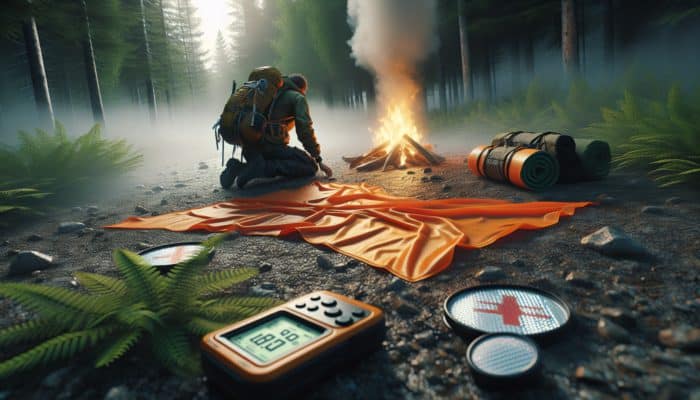
Effective signaling can drastically improve your chances of being rescued in survival situations. Whether lost in the wilderness or stranded in a remote area, knowing how to attract attention is crucial for your survival. Numerous methods can be employed to signal for help, and understanding their effectiveness can genuinely save lives.
The most recognized signaling techniques include:
– Visual signals: Utilizing bright colors, reflective materials, or creating large symbols on the ground can capture the attention of aerial searchers.
– Auditory signals: Whistles or shouts can travel great distances; a whistle is particularly effective since it requires less energy than yelling and produces a consistent sound.
– Fire signals: Smoke from a fire serves as a powerful visual cue, especially if you can create a signal fire with green vegetation to generate thick smoke.
– Electronic devices: A personal locator beacon (PLB) or emergency GPS device can communicate your location directly to rescue services.
Every signaling method has its unique strengths, and combining them can enhance your visibility. For example, if you possess a signal mirror, using it during bright daylight can effectively attract attention. Practicing these signaling techniques ensures you are prepared to implement them swiftly and efficiently during actual survival scenarios.
Advanced Techniques for Building Shelters in Various Survival Environments
A well-crafted shelter offers more than just physical protection; it also elevates morale and boosts your chances of survival. Mastering effective shelter-building techniques using available materials is a vital survival skill that can be adapted to different environments.
Different environments necessitate specific shelter designs. For instance, in a dense forest, a lean-to constructed against a solid tree may be ideal; meanwhile, in open terrain, a more enclosed A-frame structure could provide better wind resistance. Here are essential techniques for constructing shelters:
1. Lean-to: Create a frame using long branches, leaning against a sturdy base. Cover it with leaves or grass for insulation.
2. Debris Hut: Construct a frame and pile debris such as leaves, grass, and branches to provide insulation and camouflage, blending into the environment.
3. Snow Cave: In snowy conditions, dig into a snowbank for excellent insulation; ensure it has proper ventilation to prevent suffocation.
4. Tarp Shelter: A versatile option, tarps can be strung between trees to create a quick, effective shelter against rain or sun, allowing for rapid deployment.
Considerations when building include material availability, location, and anticipated weather conditions. Effective shelters not only shield you from the elements but also contribute to a sense of safety and stability, essential for maintaining hope in survival situations.
Key Components of a Well-Equipped Survival Kit
Essential Items to Include in Your Survival Kit for Optimal Preparedness
A thoroughly prepared survival kit should comprehensively address your fundamental needs: water, food, shelter, and first aid. These elements are vital for immediate survival, especially during emergencies. Assembling a survival kit filled with essential items provides peace of mind and ensures you are ready for unforeseen situations.
Here’s a list of must-have items that should be included in your survival kit:
- Water purification tablets or filters to ensure you have clean drinking water at all times.
- Canned or dehydrated food with an extended shelf life to sustain energy levels during crises.
- Emergency blanket to provide warmth and protection against hypothermia in cold conditions.
- First aid supplies, including bandages and antiseptics to treat injuries effectively.
- Multi-tool or knife for various tasks, repairs, and food preparation.
- Fire-starting tools, such as waterproof matches or a lighter for cooking and warmth.
- Flashlight with extra batteries for visibility in dark conditions, ensuring safety during the night.
- Whistle for signaling assistance and attracting attention when needed.
When assembling your survival kit, consider your personal needs, the environment you might encounter, and the duration for which you may need to survive in challenging situations. Assess whether additional items like insect repellent, sunscreen, or specific medications are necessary for your well-being. Regularly reviewing and updating your kit ensures you are prepared for various emergencies, empowering you to respond with confidence and resourcefulness.
Strategies for Efficiently Packing and Organizing Your Survival Kit
Proper organization of your survival kit is vital for quick access during emergencies. A well-packed kit can save precious time and potentially lives, ensuring that you can efficiently retrieve what you need when every second counts. Start by using a sturdy backpack or container that is easy to carry and waterproof to protect contents from the elements.
Best practices for packing your survival kit include:
1. Categorization: Group items by function (e.g., medical supplies, cooking tools, signaling devices) to facilitate easier access.
2. Prioritize essentials: Place the most critical items at the top or in external pockets for quick retrieval in emergencies.
3. Seal items: Store food and first aid supplies in waterproof bags to safeguard them from moisture and contamination.
4. Label sections: Utilize labels or color-coded bags to quickly identify contents, especially in low-light situations.
Regularly check your kit to ensure that all items are functional and not expired. Practicing with the items in your kit to familiarize yourself with their functions will increase your confidence in their use during actual emergencies. A well-organized survival kit is not just about having the right items; it is also about ensuring that you can access them quickly when needed.
Customizing Survival Kits for Specific Scenarios and Environments
Survival kits may need to be customized for specific environments, climates, or personal activities. Understanding how to tailor your kit can significantly enhance your preparedness for a variety of scenarios. Factors to consider when personalizing a survival kit include:
1. Environment: Different settings can present unique challenges; desert environments require hydration tools, while snowy conditions necessitate warm clothing and insulation.
2. Duration: For short trips, a lighter kit suffices, whereas longer expeditions may require more extensive supplies, including food and shelter materials.
3. Activities: Whether hiking, camping, or traveling by vehicle, your kit should reflect those activities. For instance, a vehicle-based kit might include larger tools or spare parts for repairs.
4. Personal needs: Consider any medical conditions, dietary restrictions, or specific requirements such as pet care that may require special items.
Taking the time to assess these factors and creating a customized survival kit can instill a sense of control and readiness. Regular reviews and adjustments to your kit help ensure that it continues to meet your needs effectively, positioning you for success in managing unpredictable situations.
Preparing Your Mind for Survival Situations: Mental Strategies and Techniques
Effective Techniques for Cultivating Mental Resilience in Survival Scenarios
Mental preparation is equally as important as physical skills in survival. Developing mental fortitude involves nurturing resilience and a positive mindset, enabling you to navigate difficult situations with clarity and purpose. Techniques such as visualization and mindfulness can significantly aid in maintaining hope during tough times.
To strengthen your mental resilience for survival, consider engaging in the following practices:
1. Visualization: Picture yourself successfully managing a survival scenario, concentrating on the specific actions you would take and the emotions you would experience throughout.
2. Positive affirmations: Utilize affirmations to reinforce your belief in your abilities. Phrases like “I am capable” can help foster a resilient mindset in challenging times.
3. Mindfulness exercises: Engage in practices that promote mindfulness, such as meditation or deep breathing, to maintain calmness and focus under pressure.
4. Scenario planning: Mentally rehearse different survival situations, considering potential challenges and strategizing effective solutions for overcoming them.
By regularly practicing these strategies, you can effectively train your mind to remain strong and resilient, equipping yourself to handle the psychological demands of survival situations. Cultivating a proactive mental approach not only aids in immediate survival but also contributes to long-term psychological well-being.
Strategies for Managing Stress and Fear During Survival Situations
Managing stress and fear during survival scenarios is crucial for maintaining clear thinking and effective decision-making. Unexpected challenges can trigger panic and anxiety; therefore, having coping strategies in place will help you retain composure. Techniques such as deep breathing, grounding exercises, and positive self-talk can assist in calming the mind in high-pressure situations.
When faced with stress or fear, consider implementing the following strategies:
– Deep breathing: Focus on your breath, inhaling deeply through your nose and exhaling slowly through your mouth. This simple exercise can help lower heart rates and reduce anxiety levels.
– Grounding techniques: Engage your senses by identifying five things you can see, four you can touch, three you can hear, two you can smell, and one you can taste, bringing you back to the present moment.
– Positive self-dialogue: Remind yourself of your strengths and capabilities. Internal affirmations can counter negative thoughts and foster confidence during challenging times.
– Break tasks into manageable steps: When overwhelmed by challenges, dividing them into smaller tasks can make situations feel more manageable and less intimidating.
Utilizing these coping mechanisms can help you regain control over your emotions, allowing you to think clearly and take decisive actions. Remember, experiencing fear in survival situations is entirely normal; the key lies in how you respond to that fear.
Strategies for Maintaining Hope and Morale in Adverse Situations
Hope serves as a powerful motivator in survival scenarios, significantly impacting outcomes. Keeping morale high can make a considerable difference in your ability to endure challenges. Engaging in activities that uplift your spirits can help cultivate a positive mindset, even in dire circumstances.
Activities that can help maintain hope and morale include:
1. Setting small goals: Accomplishing minor tasks can provide a sense of achievement and purpose, which is crucial for maintaining motivation.
2. Journaling: Writing down thoughts and feelings can offer clarity and reinforce personal resolve, allowing you to process your experiences.
3. Staying connected: If you are with others, maintain communication and support each other emotionally; shared experiences can uplift spirits and foster teamwork.
4. Engaging in creative outlets: Activities like drawing, storytelling, or singing can serve as therapeutic outlets for expression and mental relief, enhancing morale.
By integrating these morale-boosting practices into your survival strategy, you create a positive environment that can enhance your resilience. Recognizing the significance of hope empowers you to take proactive steps toward maintaining a positive outlook, thereby improving your chances of survival.
Developing a Strong Survival Mindset for Overcoming Challenges
Cultivating a survival mindset entails developing a way of thinking that prioritizes adaptability, resilience, and resourcefulness. A strong survival mindset enhances your ability to respond effectively to challenges and fosters problem-solving skills. This mindset is vital when confronting unpredictable situations where your survival is at stake.
To develop and sustain a survival mindset, consider the following approaches:
1. Embrace uncertainty: Recognize that challenges are an inherent part of life. Accepting unpredictability can help you stay grounded during tough times.
2. Practice adaptability: Engage in diverse activities that push your limits. Trying new skills or navigating different environments can enhance your adaptability and confidence.
3. Foster a ‘can-do’ attitude: Focus on solutions rather than problems. Ask yourself, “What can I do to improve this situation?” and act on it.
4. Learn from experiences: Reflect on past challenges and identify the strategies that helped you succeed. Use these insights to inform your future responses and enhance your resilience.
By consistently embracing these principles, you can cultivate a survival mindset that prepares you for potential crises while enriching your everyday life. This adaptable and proactive attitude can be transformative in emergencies, significantly improving your chances of overcoming obstacles effectively.
Utilizing Mental Exercises to Improve Focus and Decision-Making
Engaging in mental exercises can enhance your focus and maintain cognitive function, especially in stressful survival situations. Keeping your mind active helps prevent panic and fosters better decision-making skills when they are needed most. Various types of mental exercises can be beneficial for survival, improving your ability to think critically under pressure.
Consider incorporating the following mental exercises into your routine:
1. Puzzles and brain games: Solve puzzles, riddles, or brain teasers to challenge your cognitive abilities and stimulate your mind.
2. Memory exercises: Practice memorizing lists or sequences to improve focus and recall under stress, enhancing your mental agility.
3. Scenario-based thinking: Regularly create hypothetical survival situations and challenge yourself to devise strategies for overcoming them, strengthening your problem-solving skills.
4. Mindfulness meditation: Engaging in mindfulness practices can enhance your awareness and focus, honing your ability to remain calm and composed in chaotic situations.
By consistently practicing these mental exercises, you can cultivate a sharper mind that remains focused and resilient in the face of adversity. Keeping your cognitive abilities sharp ensures you are prepared to make informed decisions, ultimately improving your chances of survival.
Research-Backed Benefits of Employing Survival Hope Tactics
Increasing Survival Rates Through Hope and Resilience
Research indicates that individuals who embody hope and resilience are significantly more likely to survive challenging situations. This highlights the critical importance of mental preparation in survival scenarios. Numerous real-world examples illustrate how a hopeful mindset can lead to tangible survival outcomes.
In various survival narratives, individuals who maintained a positive outlook were more inclined to engage in problem-solving and resourcefulness. For instance, survivors of plane crashes in remote areas often attribute their survival not solely to physical skills but also to their mental determination and hope for rescue. This psychological strength enables individuals to persevere, adapt, and make critical decisions amidst overwhelming odds.
The benefits of nurturing hope extend beyond immediate survival situations; they contribute to long-term mental health. Harnessing the power of positive thinking can create a self-reinforcing cycle of resilience, making it essential for anyone preparing for survival scenarios to cultivate their mental fortitude as a core aspect of their overall strategy.
Promoting Long-Term Well-Being Through Resilience and Hope
Survival hope tactics not only improve immediate survival chances but also promote long-term mental and physical well-being. Engaging in practices that bolster hope in the face of adversity facilitates recovery and prepares individuals for future challenges.
Actionable strategies for maintaining well-being after survival situations include:
1. Reflect on the experience: Take time to process what you learned and how you can apply those insights in the future, fostering personal growth.
2. Engage in community support: Share your experiences with others to foster connections and mutual support for emotional healing and resilience-building.
3. Prioritize self-care: Establish healthy routines that include physical exercise, balanced nutrition, and mindfulness practices to enhance overall health and well-being.
4. Set new goals: Focus on moving forward by establishing personal or professional goals that inspire growth and resilience in your life.
By prioritizing mental well-being and adapting to learn from experiences, individuals can build a solid foundation for future preparedness. Mental resilience becomes a valuable asset, enhancing the ability to navigate both everyday challenges and unexpected crises effectively.
Fostering Community Resilience Through Collective Hope and Support
Communities that practice survival hope tactics can better support one another during crises. Collective resilience enhances overall survival outcomes, highlighting the importance of fostering supportive networks. Collaboration and mutual aid reduce individual burdens and create a stronger community fabric that can thrive during tough times.
Expert analysis suggests that communities prepared to support one another during emergencies tend to fare better than those lacking established networks. By employing shared survival strategies, community members can build trust and ensure that resources, knowledge, and emotional support are readily available when needed.
Establishing community resilience can involve:
1. Regular training sessions: Organizing survival workshops or training can equip community members with essential skills while fostering connections.
2. Creating communication networks: Developing systems for information sharing during emergencies ensures a faster response and resource allocation for those in need.
3. Supporting local resources: Encouraging community gardens or local resource-sharing initiatives can enhance self-sufficiency and preparedness among members.
4. Fostering a culture of mutual aid: Emphasizing a collective mindset where individuals support one another promotes a sense of belonging and safety within the community.
Communities equipped with survival hope tactics not only enhance individual well-being but also create a supportive environment that strengthens collective resilience. Together, these communities can face challenges with greater confidence and effectiveness, improving their overall chances of survival.
Best Practices for Comprehensive Survival Training and Preparedness
Choosing the Most Effective Survival Training Programs for Skill Development
Selecting appropriate survival training programs is essential for equipping individuals with the necessary skills for survival. Effective training prepares participants for various scenarios, fostering both confidence and competence in their abilities. When choosing a training program, consider the following criteria to ensure its effectiveness:
1. Reputation: Research the program’s track record and reviews from previous participants to gauge its credibility and success rates.
2. Curriculum: Ensure that the program covers essential skills, including first aid, shelter building, and navigation techniques, providing a well-rounded education.
3. Instructor Expertise: Seek qualified instructors with real-world experience and knowledge in survival techniques to ensure quality instruction.
4. Hands-on experience: Training that incorporates practical exercises and scenarios enhances skill retention and application, making learning more effective.
5. Location: Select a program that offers training in environments similar to where you expect to apply your skills, whether in wilderness or urban survival contexts.
By carefully selecting training programs that meet these criteria, you can ensure that you gain the knowledge and skills necessary to navigate real survival situations confidently. Effective training fosters a sense of readiness and empowerment, equipping you for whatever challenges may arise.
The Importance of Hands-On Experience and Realistic Simulations
Practical experience gained through simulations is vital for preparing individuals for authentic survival situations. Hands-on training allows participants to apply learned skills in controlled environments, building muscle memory and confidence. Engaging in realistic scenarios fosters critical thinking and problem-solving abilities, which are crucial during emergencies.
Participating in survival simulations can enhance skills through:
1. Realistic scenarios: Engaging in exercises that mimic potential survival situations allows for practical application of learned skills under pressure.
2. Team-building activities: Collaborating with others in a simulated environment fosters cooperation and communication, essential in survival situations.
3. Feedback and reflection: Receiving constructive feedback from instructors aids in skill refinement and boosts confidence in decision-making, enhancing overall preparedness.
4. Adaptability training: Exposure to diverse situations encourages adaptability and resourcefulness, enhancing your overall readiness for unexpected challenges.
By prioritizing hands-on experiences and simulations, individuals can better prepare for the unpredictable nature of survival scenarios. These training opportunities cultivate a sense of readiness and confidence that is invaluable when confronting real challenges.
Commitment to Continuous Learning and Skill Refinement for Survival Preparedness
Survival skills require regular practice and updates to maintain effectiveness. Continuous learning ensures readiness for any situation, fostering adaptability and resilience. Engaging in ongoing training and skill refinement can enhance both knowledge and practical application, making you a more effective survivalist.
Methods for effective ongoing skill refinement include:
1. Regular training sessions: Schedule frequent practice sessions to reinforce skills and introduce new techniques relevant to survival.
2. Community involvement: Join local survival or outdoor clubs to share knowledge and learn from others’ experiences, expanding your skill set.
3. Skill challenges: Participate in challenges that test your survival skills, encouraging healthy competition and practical skill application.
4. Staying informed: Keep up with the latest trends, techniques, and research in survival through books, courses, or online resources to enhance your understanding.
By committing to continuous learning and practice, individuals can maintain a high level of preparedness and ensure their survival skills remain sharp. This proactive approach fosters confidence, adaptability, and resilience, positioning you to handle unexpected challenges effectively.
Training for Mental Preparedness and Emotional Resilience in Survival Situations
Developing mental toughness and resilience is vital for survival. Mental preparedness enables individuals to cope with stress, fear, and uncertainty, enhancing decision-making abilities in high-pressure situations. Training techniques can bolster mental fortitude and emotional resilience, ensuring you are equipped to handle survival challenges.
Techniques for enhancing mental preparedness include:
1. Cognitive restructuring: Challenge negative thoughts and replace them with positive affirmations to encourage a resilient mindset and emotional stability.
2. Stress management techniques: Engage in practices like mindfulness or meditation to develop coping strategies for managing anxiety and uncertainty effectively.
3. Visualization exercises: Regularly visualize yourself successfully navigating challenges, enhancing confidence and preparedness for real-life situations.
4. Resilience-building training: Seek workshops or programs focused on developing emotional resilience and mental toughness, equipping you with the skills to thrive under pressure.
By prioritizing mental preparedness and resilience training, you equip yourself with the tools necessary to navigate survival situations effectively. Building a strong mental foundation empowers you to approach challenges with confidence and resourcefulness, enhancing your overall survival capabilities.
Implementing Effective Strategies for Survival Hope Tactics
Cultivating and Sustaining a Proactive Survival Mindset
A survival mindset involves a mental framework that emphasizes readiness, adaptability, and resilience. This mindset is crucial for overcoming challenges and successfully navigating survival situations. Cultivating a survival mindset requires a conscious effort to develop specific attitudes and behaviors that promote success in adversity.
Real-world examples often highlight individuals who embraced a survival mindset, enabling them to endure seemingly insurmountable challenges. For instance, adventurers stranded in remote locations frequently credit their survival to a mindset focused on solutions rather than despair. Approaching problems with a proactive attitude empowers individuals to navigate crises more effectively.
To foster a survival mindset, consider these strategies:
1. Adopt a growth mentality: Embrace challenges and view failures as opportunities for learning and improvement, enhancing your resilience.
2. Practice resourcefulness: Regularly challenge yourself to find solutions with limited resources, building confidence in your problem-solving abilities.
3. Cultivate a strong support network: Surround yourself with individuals who encourage resilience and adaptability, sharing knowledge and experiences that bolster your survival capabilities.
4. Stay informed: Continuously educate yourself about survival techniques and skills to enhance your preparedness and adaptability in various situations.
By consciously developing a survival mindset, you can enhance your ability to confront challenges with confidence and adaptability. This mindset becomes a powerful asset in navigating unpredictable environments and situations effectively, significantly improving your chances of success in survival scenarios.
Maximizing the Use of Available Resources for Effective Survival
Effectively leveraging available resources can significantly improve your chances of survival. This includes utilizing both natural and man-made items to your advantage. Understanding how to identify and use resources in your environment is a fundamental survival skill that can make all the difference in dire situations.
Actionable steps for resource utilization in survival scenarios include:
1. Assessing the environment: Evaluate your surroundings for materials you can use for shelter, food, or tools that can aid in your survival efforts.
2. Improvisation: Be creative in using items at hand. For instance, a plastic bottle can double as a water container or a fishing lure when needed.
3. Foraging knowledge: Learn to identify edible plants, fruits, and nuts to ensure you can source food from your environment effectively, enhancing your chances of survival.
4. Nature’s tools: Utilize natural resources for building, such as branches for shelter or stones for tools, maximizing what is available to you.
By honing your ability to utilize available resources efficiently, you cultivate confidence and adaptability in survival scenarios. Resourcefulness is key when faced with limited supplies, enabling you to navigate challenges effectively and increase your chances of survival.
Building and Sustaining Support Networks for Enhanced Survival Outcomes
Having a supportive network provides both emotional and practical assistance in survival situations. Building and maintaining supportive relationships are crucial for long-term survival, as these connections offer resources, knowledge, and emotional stability during crises.
The significance of support networks in survival can be outlined through the following considerations:
1. Shared knowledge and skills: Collaborating with others allows for the exchange of survival techniques and experiences, enhancing group preparedness and resilience.
2. Emotional support: Having a network of friends or family can provide motivation and reassurance during difficult circumstances, bolstering morale.
3. Resource sharing: A strong network enables individuals to pool resources, ensuring access to critical supplies or knowledge when needed most.
4. Community resilience: Groups that collaborate and communicate effectively often fare better in emergencies, promoting a sense of unity and shared purpose among members.
By actively building and nurturing relationships, you create a supportive environment that enhances your chances of survival. The combined strength of a supportive network can empower you and others to face challenges with confidence and resilience, improving overall outcomes during crises.
Frequently Asked Questions About Survival Techniques and Strategies
What are survival hope tactics?
Survival hope tactics are mental and emotional strategies utilized to maintain hope and resilience during challenging survival situations, thereby increasing the likelihood of positive outcomes and survival rates.
Why is mental resilience important in survival?
Mental resilience is crucial as it enables individuals to cope with stress, fear, and uncertainty, facilitating better decision-making and problem-solving during high-pressure crises.
How can I purify water in a survival situation?
You can purify water through boiling, utilizing filtration systems, chemical treatments, or solar distillation methods, with each approach being effective based on your available resources and circumstances.
What should I include in my survival kit?
A survival kit should encompass essentials like water purification tablets, food, first aid supplies, tools, and signaling devices to address immediate survival needs effectively.
How do I maintain morale in survival situations?
Engaging in small tasks, journaling, and maintaining communication with others can help sustain morale and foster a sense of hope and camaraderie during tough times.
What types of shelters can I build in the wild?
Common shelters include lean-tos, debris huts, A-frame structures, and snow caves, each tailored for different environments and specific weather conditions.
How can I develop a survival mindset?
You can cultivate a survival mindset by embracing adaptability, fostering a proactive attitude, and consistently practicing problem-solving and resilience-building techniques in your daily life.
What are the benefits of community resilience in survival?
Community resilience enhances collective preparedness and support, improving survival chances during crises through shared resources, knowledge, and teamwork among individuals.
How important is first aid knowledge in survival scenarios?
Basic first aid knowledge is vital as it allows individuals to treat injuries and stabilize conditions effectively, potentially saving lives in emergencies when professional medical assistance is unavailable.
How often should I practice my survival skills?
Regular practice is essential; aiming for monthly skill refreshers or participating in seasonal training can help maintain proficiency and readiness for any situation that may arise.
Explore our world at X!
The post Survival Hope Tactics: Universal Strategies for Resilience appeared first on Survival Bite.
The Article Survival Hope: Universal Tactics for Building Resilience Was Found On https://limitsofstrategy.com
The Article Building Resilience: Universal Tactics for Survival Hope First Appeared ON
: https://ad4sc.com
No responses yet