Explore Our In-Depth Guide to Crawl Space Drainage Services
What Is the Essential Role of Effective Drainage in Preventing Water Damage?

Crawl Space Drainage Services available in Squamish are essential for safeguarding homes from significant water damage, especially in regions like British Columbia, where heavy rainfall is common. By installing reliable drainage systems, homeowners can effectively control moisture buildup and redirect water away from the foundation. This proactive approach is particularly critical in areas with substantial precipitation, where prolonged moisture exposure can lead to structural damage, mould growth, and soil erosion. For example, homes situated in Squamish experience heightened risks of water infiltration due to the area’s humid conditions, making efficient drainage systems indispensable for preserving a building’s structural integrity.
In British Columbia, particularly in coastal regions, homes are frequently built on water-retaining soils, significantly increasing the risk of flooding in crawl spaces. Employing effective drainage solutions like French drains can alleviate these concerns by effectively channeling excess water away from the foundation, thus minimizing potentially costly repairs. Homeowners should routinely assess their drainage needs, especially following heavy rain events, to ensure their properties remain safe and protected from moisture-related issues.
What Key Components Constitute Effective Drainage Systems?
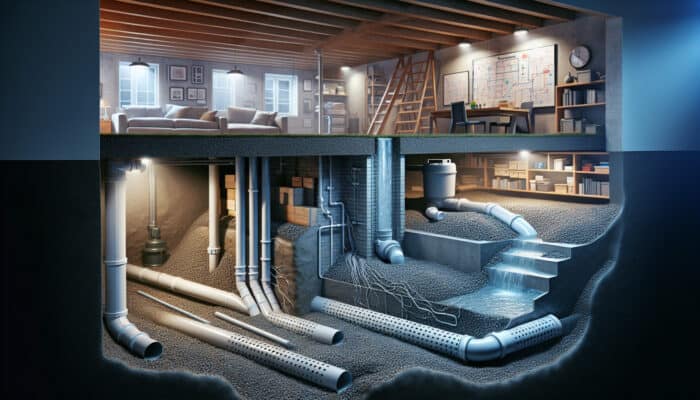
Effective drainage systems comprise several pivotal components that work synergistically to maintain a dry and healthy crawl space environment. Core elements include sump pumps, French drains, and vapour barriers, each serving a vital function in moisture management. Sump pumps are crucial for removing any accumulated water, while French drains facilitate the efficient movement of water away from the foundation. Vapour barriers play an equally important role, preventing groundwater moisture from penetrating the crawl space, thereby ensuring dry conditions prevail.
In Canadian homes, particularly in areas like Squamish with unpredictable weather patterns, the integration of these components is essential for effective moisture control. For instance, during the rainy season, sump pumps can be invaluable, quickly evacuating water that could endanger the home’s structural stability. Moreover, the installation of a vapour barrier can significantly lower humidity levels, thus reducing the risk of mould and other moisture-related problems. Homeowners investing in these systems can take comfort knowing they are taking significant steps to shield their properties from environmental challenges.
What Signs Indicate the Need for Drainage Services?
Homeowners need to be aware of the early warning signs that suggest the necessity for drainage services. Timely detection of these indicators can prevent the development of more severe issues, particularly in regions vulnerable to heavy rains or seasonal flooding, like Squamish. Common indicators include water pooling within or around the crawl space, musty odours infiltrating the home, or visible mould growth in the vicinity.
- Water pooling in the crawl space
- Musty odours suggesting mould presence
- Visible mould or mildew
- Increased indoor humidity levels
- Cracks in the foundation walls
- Wood rot in structural components
- Unusual insect activity
Addressing these issues promptly can save homeowners from costly repairs and ensure their properties remain secure and structurally sound. Regular inspections are crucial for identifying these signs before they worsen, particularly in the variable climates found across Canadian provinces.
How Does Crawl Space Drainage Operate Effectively?
What Are the Fundamental Steps in the Standard Installation Process?
The installation process for a crawl space drainage system typically involves several essential steps designed to ensure the system functions effectively. Initially, a thorough crawl space assessment is performed to evaluate existing conditions and the specific requirements of the homeowner. After assessing moisture levels and the structural soundness of the foundation, excavation may be necessary, especially if the current drainage system is inadequate or improperly installed.
Once the assessment is complete, specialized drainage pipes are installed in the crawl space. These pipes are specifically engineered to capture and redirect water away from the foundation, in compliance with Canadian building standards. This customized approach enhances the drainage system’s functionality and guarantees its durability and effectiveness in managing moisture under the unique climatic conditions prevalent in regions like Squamish.
Finally, an inspection is conducted to verify that the installation has been executed correctly, with an emphasis on quality and compliance with local regulations. Homeowners often receive guidance on maintaining their new drainage system to maximize its lifespan and efficiency, ultimately protecting their investment for years to come.
What Principles Underpin Effective Water Diversion Techniques?
The principles of effective water diversion techniques are grounded in understanding the behavior of water in various environments. At their core, these methods rely on fundamental concepts such as gravity and the use of pumps to channel water away from vulnerable areas. In crawl space drainage, the system’s design is critical for preventing soil saturation around the foundation, which can lead to structural instability.
Utilizing gravity to direct water towards properly installed drainage systems ensures the efficient removal of excess moisture. In Squamish, where soil can become overly saturated during heavy rainfall, strategically placing drainage pipes and employing sump pumps significantly mitigates the risk of water accumulation. Homeowners should value these techniques, as they highlight the importance of maintaining a stable indoor environment free from mould and structural damage.
Additionally, it is vital to consider the surrounding landscape and soil type when developing these systems. By thoroughly assessing these factors, professionals can devise drainage solutions that are both effective and sustainable, ensuring that property owners are shielded from the unpredictable weather patterns typical of Canadian climates.
What Factors Influence the Effectiveness of Drainage Systems?
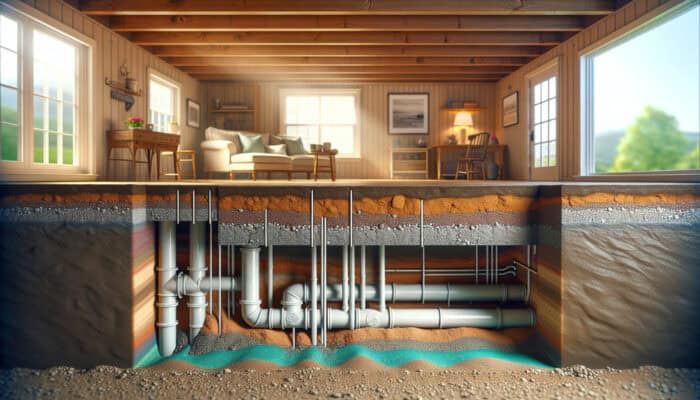
The effectiveness of crawl space drainage systems relies on several factors that determine how well they manage moisture levels. One significant aspect is the type of soil surrounding the property. For instance, clay soils tend to retain water, while sandy soils facilitate improved drainage. Understanding the soil composition informs the design of the drainage system, ensuring it effectively diverts water away from the foundation.
Another critical factor is the slope of the land. Proper grading enables gravity to assist the drainage system, guiding water away from the structure instead of toward it. In numerous Canadian homes, especially in regions like Squamish with diverse terrain, ensuring correct grading is paramount for optimal performance. Additionally, the quality of materials used to construct the drainage system is crucial; durable, high-quality materials are less prone to damage and can endure the harsh environmental conditions often found in Canada.
By considering these factors, homeowners and professionals can ensure a well-functioning drainage system that mitigates moisture risks while enhancing the property’s overall durability. Regular evaluations and adjustments based on these elements can further improve the efficiency of drainage systems, ensuring they remain effective over time.
What Maintenance Practices Guarantee Long-Term Effectiveness of Drainage Systems?
Maintenance is essential for ensuring the long-term effectiveness of crawl space drainage systems. Regular inspections and monitoring enable homeowners to detect potential issues before they escalate into costly repairs. In Canada, where weather extremes pose unique challenges, adhering to a proper maintenance schedule is vital. Homeowners should aim to perform inspections at least once a year or after significant weather events to evaluate the system’s performance.
During these inspections, it is crucial to check for blockages in drainage components such as sump pumps and French drains. Cleaning these elements and removing debris can help prevent clogs that obstruct water flow. Furthermore, homeowners should ensure that vapour barriers are intact and functioning correctly, as they help maintain low humidity levels in the crawl space.
Timely repairs are also a critical component of maintenance. Addressing any issues identified during inspections immediately can prevent more significant problems in the future. By following these best practices, homeowners in Squamish and other Canadian regions can ensure their crawl space drainage systems remain effective, protecting their homes from moisture-related concerns for many years.
Expert Insights on Crawl Space Drainage Services in Squamish
How Do Professionals Evaluate and Recommend Drainage Solutions?
When professionals assess crawl space drainage requirements, they begin with a detailed examination of moisture levels and the home’s structural needs. This evaluation involves inspecting the crawl space itself and considering factors such as local climate, soil conditions, and the existing drainage system. By understanding these variables, experts can recommend tailored solutions that align with Canadian best practices for moisture management.
For instance, if a home in Squamish exhibits elevated humidity levels, professionals may suggest installing a sump pump alongside a comprehensive drainage system. This combination effectively facilitates water removal and moisture control, specifically addressing the challenges posed by the region’s climate. Additionally, experts will provide homeowners with actionable steps to guide them through the installation process, ensuring that all recommendations comply with local building codes and standards.
Ultimately, this personalized approach not only enhances the effectiveness of drainage solutions but also empowers homeowners with the knowledge required to maintain their systems in the long term. By relying on expert insights, homeowners can rest assured that their properties are shielded from the damaging effects of water intrusion.
What Advanced Materials Are Used in Modern Drainage Systems?
In crawl space drainage, selecting the appropriate materials is crucial for ensuring the system’s longevity and effectiveness. Advanced materials such as PVC pipes and Geotextiles are increasingly preferred for their resilience and performance. PVC pipes are renowned for their corrosion resistance and durability, making them ideal for directing water away from foundations and ensuring that drainage systems remain functional over time.
Geotextiles serve a dual purpose; they act as filters to prevent soil intrusion into drainage systems while facilitating water movement. This innovative material is particularly advantageous in Canadian climates, where heavy rainfall can saturate the ground and challenge traditional drainage methods. By incorporating advanced materials into drainage setups, professionals can design systems that are not only effective but also capable of withstanding the harsh elements often present in regions like Squamish.
The integration of these materials is frequently supported by Canadian engineering standards, ensuring they meet the demands of local environmental conditions. This focus on quality and performance can significantly enhance the overall effectiveness of crawl space drainage systems, providing homeowners with peace of mind regarding the safety and longevity of their properties.
What Essential Maintenance Tips Do Industry Leaders Recommend for Drainage Systems?
Long-term maintenance of crawl space drainage systems is vital to ensure ongoing efficiency and protect the home from moisture-related issues. Industry leaders suggest establishing a routine maintenance schedule that incorporates regular inspections and cleaning. Homeowners should aim to conduct inspections at least once a year, although more frequent checks may be necessary after significant weather events.
During these inspections, it is critical to clear any debris from drainage components such as sump pumps and French drains. This cleaning process helps prevent blockages that can hinder water flow and potentially lead to flooding in the crawl space. Additionally, professionals recommend that homeowners monitor the condition of vapour barriers, ensuring they remain intact and effective at preventing humidity from infiltrating the crawl space.
Moreover, industry experts often emphasize the importance of prompt repairs. If any issues are detected during inspections, addressing them quickly can prevent extensive damage and costly repairs down the line. By adhering to these long-term maintenance recommendations, homeowners in Squamish can effectively manage moisture in their crawl spaces and extend the lifespan of their drainage systems.
What Influence Does Squamish’s Climate Have on Crawl Space Drainage Solutions?
Squamish’s unique climate significantly influences the approach to crawl space drainage solutions. The region experiences a maritime climate characterized by abundant rainfall and fluctuating temperatures, creating challenges for homeowners. Understanding this climate is essential when designing and implementing effective drainage systems that protect properties from moisture intrusion.
Local experts recommend tailored solutions that consider frequent rains and the specific soil types in the area. For example, utilizing sump pumps and French drains can effectively manage excess water during wet seasons, directing it away from the foundation and minimizing the risk of water damage. Furthermore, employing high-quality materials that can endure the damp conditions typical in Squamish is crucial for long-term performance.
Additionally, climate-adaptive techniques like proper excavation and grading are vital for optimizing drainage performance. By considering local weather patterns and soil conditions, homeowners can ensure that their crawl space drainage systems are not only functional but also resilient against the environmental challenges posed by Squamish’s climate.
What Cost-Effective Strategies Can Be Implemented for Crawl Space Drainage in Squamish?
Implementing cost-effective strategies for crawl space drainage in Squamish requires a thoughtful approach that balances initial investments with long-term savings. Homeowners often benefit from consulting with a professional who can guide them toward the most effective solutions tailored to their specific needs. One effective strategy is to invest in high-quality materials that may have a higher upfront cost but are designed for durability and low maintenance, thereby reducing long-term repair costs.
Moreover, homeowners are encouraged to adopt preventive measures, such as regular inspections and cleaning, to identify potential issues early and avert costly repairs later. By proactively maintaining drainage systems, homeowners can extend their lifespan and ensure continued effectiveness in managing moisture levels.
Experts also recommend exploring local government incentives for energy-efficient home improvements, which may include funding for drainage system upgrades. These opportunities can help homeowners achieve cost-effective solutions while enhancing their property’s value. Ultimately, a balanced approach that prioritizes quality and ongoing maintenance will yield the best return on investment for homeowners in Squamish.
What Are the Major Advantages of Crawl Space Drainage?
How Does Crawl Space Drainage Enhance Overall Home Health and Safety?
Crawl space drainage is essential for improving a home’s overall health and safety. By effectively managing moisture levels, drainage systems contribute to better indoor air quality, significantly lowering the risks of mould and allergens. In regions like Canada, where families may be more vulnerable to respiratory issues linked to damp environments, ensuring that crawl spaces remain dry is critical for residents’ well-being.
Furthermore, maintaining a dry crawl space helps create a safer living environment by minimizing the risk of structural damage caused by prolonged moisture exposure. This concern is particularly relevant in areas prone to flooding or heavy rainfall, as homes lacking sufficient protection can incur substantial repair costs and health risks. Investing in crawl space drainage solutions allows homeowners to take proactive measures to ensure their homes remain safe havens for their families.
Additionally, a well-maintained drainage system fosters a more comfortable indoor atmosphere. By regulating humidity levels, homeowners can enjoy a more pleasant environment free from musty odours and the discomfort associated with dampness. This enhancement in living conditions constitutes a significant benefit of having an effective crawl space drainage system in place.
Why Is Energy Efficiency a Key Advantage of Crawl Space Drainage?
Energy efficiency serves as a significant advantage of crawl space drainage systems, as they help maintain optimal indoor conditions. By preventing moisture accumulation, homeowners can decrease their reliance on heating and cooling systems, resulting in lower utility costs. In Canada, where winters can be harsh, having a dry crawl space is vital for maintaining effective insulation and comfort during extreme temperatures.
Moreover, energy-efficient homes tend to have a smaller carbon footprint, aligning with contemporary environmental priorities. By ensuring crawl spaces are adequately drained and ventilated, homeowners can enhance their property’s overall energy efficiency, contributing to a more sustainable lifestyle. This not only benefits individual homeowners but also supports broader community efforts to conserve the environment.
Furthermore, improved energy efficiency through effective drainage can elevate home value. Prospective buyers often view properties with efficient drainage systems as well-maintained investments, further enhancing their market appeal. The combination of comfort, cost savings, and increased property value makes energy efficiency a compelling reason for homeowners to prioritize crawl space drainage solutions.
What Impact Does Crawl Space Drainage Have on Property Value and Resale Potential?
Properly installed and maintained crawl space drainage systems can significantly increase property value and resale potential. Buyers are increasingly aware of the importance of owning a home safeguarded against water damage, mould, and structural concerns. A well-functioning drainage system signals to potential buyers that the home has been well cared for and minimizes future risks associated with moisture intrusion.
In the competitive Canadian housing market, homes that emphasize effective drainage solutions are often more attractive to buyers. This is particularly true in areas prone to flooding or heavy rainfall, as prospective homeowners are likely to consider potential repair costs when making purchasing decisions. By showcasing a reliable crawl space drainage system, sellers can differentiate their property and potentially command a higher price.
Moreover, properties equipped with effective drainage solutions typically encounter fewer issues during home inspections, facilitating a smoother and potentially quicker selling process. Consequently, homeowners who invest in crawl space drainage not only protect their living environment but also enhance the long-term value and marketability of their properties.
Research-Backed Advantages of Crawl Space Drainage Services
What Studies Validate Its Effectiveness in Moisture Control?
Research indicates that crawl space drainage systems significantly reduce humidity levels, particularly in moisture-prone regions like Canada. Studies show that after installing drainage systems, many homeowners report a marked decrease in indoor humidity, resulting in healthier living conditions. This evidence highlights the critical need for integrating drainage solutions into residential settings to mitigate the risks associated with excessive moisture.
Homeowners can take actionable steps to validate the effectiveness of their drainage systems by monitoring crawl space humidity levels before and after installation. Utilizing hygrometers can yield valuable data, allowing homeowners to assess the direct impact of the drainage solutions. Additionally, conducting routine inspections of the system ensures it continues to operate optimally, maintaining low moisture levels and preventing dampness-related issues.
By acknowledging the significance of effective moisture control, homeowners can make informed choices regarding their crawl space drainage needs, thereby protecting their health and property from potential damage.
How Does Crawl Space Drainage Contribute to Sustainable Building Practices?
Crawl space drainage systems align with sustainable building practices by reducing water waste and enhancing resource conservation. In Canada, where environmental considerations are increasingly prioritized, implementing effective drainage solutions supports eco-friendly homeownership. By managing moisture responsibly, homeowners contribute to the overall sustainability of their properties while preserving the surrounding natural environment.
Research indicates that well-designed drainage systems not only protect homes from water damage but also help mitigate the effects of stormwater runoff, which can lead to flooding and erosion in local ecosystems. By directing water away from foundations and into proper drainage pathways, homeowners contribute to the health of their landscapes and further promote sustainability.
Moreover, incorporating sustainable materials in the construction of drainage systems, such as recycled or eco-friendly products, enhances their environmental benefits. Homeowners who prioritize these practices contribute to the growing movement towards greener living, positively affecting their communities and the planet.
What Key Findings Have Recent Canadian Studies Discovered About Longevity?
Recent Canadian studies emphasize that well-maintained crawl space drainage systems considerably extend the lifespan of foundations and structural components. Research suggests that properties with effective moisture management encounter fewer deterioration issues, resulting in an overall longer lifespan for the building. This underscores the value of investing in drainage solutions, particularly in regions like Squamish, where environmental conditions can accelerate wear and tear.
Additionally, findings indicate that homes equipped with proper drainage systems necessitate less frequent repairs and renovations, offering homeowners greater peace of mind and financial savings over time. By proactively managing moisture levels, homeowners can avoid damage that often leads to costly foundation repairs, thereby ensuring their property remains a sound investment.
Understanding these longevity benefits reinforces the importance of crawl space drainage services, encouraging homeowners to prioritize them to protect their investments and achieve lasting value.
What Is the Impact on Energy Efficiency and Cost Savings?
Studies in Canada indicate that effective crawl space drainage systems enhance energy efficiency, resulting in significant cost savings for homeowners. By reducing humidity and preventing water intrusion, these systems help maintain stable indoor temperatures, which lowers heating and cooling demand. This is particularly beneficial during harsh Canadian winters and hot summers when energy consumption can peak.
Moreover, as energy-efficient homes become increasingly desirable, properties with reliable drainage solutions are more likely to attract potential buyers. This not only enhances marketability but can also lead to higher resale values, making effective drainage a prudent financial choice. Homeowners can maximize their return on investment by ensuring their crawl space drainage systems are well-maintained and functioning optimally.
By recognizing the dual benefits of cost savings and energy efficiency, homeowners are empowered to take steps toward more sustainable living, ultimately contributing to their overall financial well-being.
Why Opt for Professional Services for Crawl Space Drainage?
What Qualifications Should You Seek in Service Providers?
When selecting service providers for crawl space drainage, it is essential to seek qualifications that ensure expertise and reliability. First and foremost, prioritize providers who have received certified training in drainage systems and possess relevant field experience. This background is crucial for ensuring compliance with Canadian regulations and industry standards, ultimately leading to effective and safe installations.
Additionally, consider providers who can present a portfolio of past projects, showcasing their expertise and the quality of their work. Positive customer testimonials and reviews can also provide insights into a service provider’s reliability and professionalism. A reputable company will prioritize customer satisfaction and be willing to address questions regarding their methods and materials.
Furthermore, inquiring about warranties and post-installation support can help ensure homeowners receive the assistance they need if issues arise in the future. By choosing qualified professionals, homeowners can confidently address their crawl space drainage needs with the utmost care and expertise, safeguarding their properties from moisture-related problems.
How Do Professionals Tackle Complex Installation Challenges?
Professionals specializing in crawl space drainage excel at navigating complex installation challenges stemming from uneven terrain, soil variability, and other environmental factors. They utilize specialized tools and techniques to address these issues effectively. For instance, in regions like Squamish, where soil types can vary significantly, experts assess site conditions to determine the most suitable drainage solutions.
When faced with uneven terrain, professionals may implement grading techniques to ensure proper water flow toward the drainage system. They recognize the importance of customizing solutions to each property’s specific needs, optimizing drainage performance while minimizing landscape disruption.
Moreover, these professionals are well-versed in local building codes and regulations, ensuring their installations comply with safety standards. This expertise prevents complications that may arise from improperly installed systems, ultimately protecting the homeowner’s investment and ensuring long-term functionality.
What Are the Risks of DIY Versus Professional Approaches?
While DIY projects can be appealing to some homeowners, the risks associated with attempting crawl space drainage installations without professional assistance can be significant. DIY efforts often result in insufficient sealing of drainage systems, leading to future leaks and ongoing moisture issues. This undermines the system’s effectiveness and can lead to costly repairs later.
Additionally, without the necessary expertise, homeowners may overlook critical factors such as soil composition, slope, and local regulations, all of which are vital to a successful installation. Professionals bring extensive knowledge to the table, ensuring that every aspect of the drainage system is optimized for performance and longevity.
- Insufficient sealing resulting in leaks
- Improper installation leading to system failure
- Failure to comply with local building codes
- Inability to accurately assess soil and terrain
- Higher long-term repair costs
- Potential for mould and structural damage
- Loss of warranty on materials
- Increased time and labour expenses
By opting for professional services, homeowners can mitigate these risks and guarantee that their crawl space drainage systems are installed correctly and efficiently, providing peace of mind and long-term protection.
Maintaining Your Crawl Space After Drainage Installation
How Frequently Should Routine Inspections Occur for Maximum Performance?
Routine inspections are critical for maintaining the effectiveness of crawl space drainage systems. Experts recommend conducting checks at least once a year, although more frequent inspections may be necessary after heavy rainfall or significant weather events. This proactive strategy enables homeowners to monitor their drainage systems’ performance and identify potential issues early.
During inspections, homeowners should evaluate the condition of drainage components, including sump pumps and French drains. Checking for clogs or blockages is essential, as these issues can impede the system’s proper functioning. Furthermore, examining vapour barriers and confirming their integrity is vital for preventing moisture from entering the crawl space.
By adhering to a routine inspection schedule, homeowners can ensure their crawl space drainage systems remain effective, safeguarding their homes from moisture-related risks and supporting long-term structural integrity.
What Regular Upkeep Can Extend the Lifespan of Drainage Systems?
Regular maintenance is essential for prolonging the lifespan of crawl space drainage systems. Homeowners can adopt several maintenance practices to ensure their systems operate optimally over time. One of the most critical aspects of upkeep is cleaning filters and removing debris from drainage components such as sump pumps and French drains. This practice prevents clogs and allows water to flow freely, reducing the risk of water accumulation in the crawl space.
Moreover, homeowners should consistently monitor humidity levels in the crawl space. Elevated humidity can foster mould growth and structural issues, so maintaining low levels is vital for preserving the home’s integrity. Regularly inspecting vapour barriers and ensuring they are securely installed is also crucial for preventing moisture infiltration.
By committing to routine maintenance and remaining proactive, homeowners can significantly extend the lifespan of their crawl space drainage systems, ensuring they continue to protect their homes against moisture-related challenges for many years.
What Signs Indicate That Additional Services Might Be Necessary?
Recognizing the signs that additional services are required for crawl space drainage systems can help prevent more severe issues. Homeowners should remain alert to persistent crawl space dampness, as this suggests that the drainage system may not be functioning effectively. Unusual sounds, like gurgling from sump pumps or water flowing where it shouldn’t, can also signal potential problems that require professional attention.
If homeowners detect high humidity or a musty odour, it may indicate moisture intrusion that needs to be addressed. Visible signs of mould or mildew suggest that humidity levels are too high and that further action is necessary.
By proactively identifying these warning signs, homeowners can ensure they seek professional maintenance services when needed, aligning with Canadian standards for ongoing home care and moisture prevention.
What Are Effective Strategies to Prevent Mould Growth in Crawl Spaces?
Preventing mould growth in crawl spaces is vital for maintaining a healthy home environment. In Canada, where humidity levels can fluctuate, monitoring moisture is crucial. Homeowners can implement several effective strategies to keep mould at bay. First and foremost, ensuring proper drainage is essential; directing water away from the foundation minimizes moisture accumulation.
Additionally, applying sealants to the crawl space walls and floors can help create a barrier against moisture intrusion. These sealants work by filling in cracks and preventing water from seeping in. Monitoring humidity levels is also critical; using dehumidifiers can help maintain optimal moisture levels, especially during humid months.
Regular inspections are necessary to prevent mould growth, as early detection enables immediate action. Homeowners should be proactive in identifying any musty odours or visible mould and respond swiftly to maintain a dry environment.
When Should You Engage Professional Maintenance Services for Your Crawl Space?
Knowing when to seek professional maintenance services for crawl space drainage is crucial for homeowners looking to protect their investments. If signs of structural damage or persistent odours are detected, consulting professionals immediately is essential. Structural damage can indicate serious moisture issues requiring expert assessment and remediation, while ongoing odours often signal mould growth or inadequate drainage.
Additionally, if homeowners notice changes in humidity levels or frequent flooding in the crawl space, they should seek professional assistance. Experts can perform thorough assessments, identifying underlying issues that may not be obvious to the untrained eye. This proactive strategy aligns with national standards, ensuring timely interventions that protect the home’s longevity and safety.
By recognizing these indicators and acting promptly, homeowners can safeguard their properties and ensure their crawl space drainage systems continue to function effectively over time.
Frequently Asked Questions About Crawl Space Drainage Solutions
What Function Does a Crawl Space Drainage System Serve?
A crawl space drainage system is designed to control moisture levels by directing water away from the foundation, thus preventing flooding and structural damage.
How Can I Determine If My Crawl Space Needs Drainage Services?
Signs include water pooling, musty odours, mould growth, and increased indoor humidity. Early detection is crucial to avoid costly repairs.
Are Different Types of Drainage Systems Available for Crawl Spaces?
Yes, common types include sump pumps, French drains, and vapour barriers. Each serves a distinct purpose in managing moisture and protecting the foundation.
How Often Should I Inspect My Crawl Space Drainage System?
It is recommended to conduct inspections at least once a year or more frequently after heavy rainfall or significant weather events.
What Risks Are Associated with Not Having a Crawl Space Drainage System?
Without proper drainage, homes are at risk for water damage, mould growth, and structural issues, which can lead to costly repairs and health hazards.
Can I Undertake the Installation of a Crawl Space Drainage System Myself?
While some may attempt DIY installations, hiring professionals is advisable to ensure proper installation and compliance with local regulations.
What Maintenance Is Required for Crawl Space Drainage Systems?
Regular inspections, component cleaning, and humidity monitoring are essential for maintaining the system’s effectiveness.
How Do Climate Conditions in Squamish Influence Drainage Needs?
Squamish’s maritime climate, characterized by frequent rainfall, necessitates effective drainage solutions to prevent moisture accumulation and structural damage.
What Materials Are Commonly Utilized in Drainage Systems?
Common materials include PVC pipes and geotextiles, known for their durability and effectiveness in managing water flow.
How Does Proper Drainage Affect Home Value?
Effective drainage systems enhance home value by preventing future issues, making properties more attractive to buyers and potentially commanding higher resale prices.
Join Us on Facebook Now!
Presented By: Crawl Space Drainage in Squamish
The Article: Crawl Space Drainage Services in Squamish: Essential Protection for Homes First Published On: https://pacificbluemechanical.ca/
The Article Crawl Space Drainage Services: Essential Home Protection in Squamish Was Found On https://limitsofstrategy.com
The Article Crawl Space Drainage Services for Essential Home Protection in Squamish First Appeared ON
: https://ad4sc.com
No responses yet